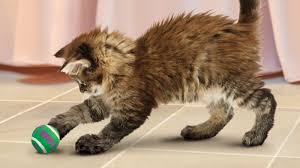
How To Get Rid of Cat Fleas

  Cat Fleas

how to get rid of cat fleas

People who keep or keep cats at home suffer from many diseases or germs, including fleas, small animals that are similar in shape and size to lice, but are quick to fly and jump, spreading them across the house through eggs and hatching very quickly. , As well as the move to the clothes of the members of the house and their bodies, which causes a serious discomfort at home, and to get rid of cat fleas in several ways we will mention in this article.

How To Get Rid of Cat Fleas

Clean the cats

Cleaning cats by washing them daily with water, or putting them in their bathtub, water gets rid of good numbers of fleas, and can be used some types of flea shampoos, and also recently available on the market some medicines, which are provided to cats help to get rid of fleas, and can Note this when cats stop scratching, or persistent scratching. Here are some ways to rid cats of fleas:

  • Powder: Use it by applying powder over the entire scalp of cats infected with fleas.
  • Collar: There are collars suitable for all ages of cats, and must choose the collar appropriate for the age of cats in the house, and the method of the collar placed around the neck, effective in the elimination of fleas.
  • Topical medication points: A few drops of a liquid flea medicine are placed on the cat's neck from behind, spreading all over the body, and eliminating fleas easily.      

House cleaning

The house should be thoroughly cleaned to get rid of fleas. It is recommended to use a vacuum cleaner, it pulls through the air hose many cocoons, and then it is important to clean the vacuum cleaner for fear of breeding eggs again, in addition to the importance of washing clothes in case of the arrival of flea eggs, and washing carpets and covers.

Spray insecticide

  1. Buy insecticide for flea eradication from designated stores, the best of which contain a type of protein, which determines the offspring of fleas, thereby reducing their reproduction, and their presence altogether.
  2. Spray all places inside the house with a pesticide, taking care to put the muzzle, and avoid the entry of the pesticide into the eyes, spraying the pesticide under the furniture, such as beds, wooden benches in the living room and guest room, in addition to trying to reach all dark areas, where insects love to live and reproduce.
  3. Spray the home garden with the pesticide used inside the house. Clean the cat house or place to live in the outside of the house, and sterilize it with insecticide, because 5% of fleas are found in the cat scalp, and 95% of them live in the cat environment.
Share:

How To Make My Cat Fat


Cat Food


Cat disease can be a reason not to eat, so you should consult your veterinarian to develop a proper diet, including changing the type and form of food, and sometimes cats prefer canned food when sick, and veterinarians may prescribe medicines that open appetite, or use food injections Cats can be encouraged to eat and open their appetite by placing foods the owner knows they like, such as canned tuna and liver, but not to give it too much because it can harm her health. Cats prefer food eaten by human, should change the system By mixing her favorite food with a quantity of cat food, the owner can change the ratio until she gradually gives up the food she is eating.

Water

Put water for cats in their places, to be able to reach it and drink it need, thirst exposes cats to dehydration and constipation, and are exposed to problems more than cats who drink water, and large cats prone to fatigue and dehydration, because of the inability to reach water easily, and can add flavors to the water to increase She wanted to drink it.

Consult Your Veterinarian

Your veterinarian will give you some suggestions for what is suitable for cats, a high-quality diet, rich in water and nutrients suitable for cat health, available in pet stores, where in many stores there are foods with different flavors, but they are not nutritional ideal.

Foods That Harm Cat Health

There are foods that harm the health of cats if eaten frequently, and therefore affect their appetite and health, including:
  •  Onions: Cats eat onions in large amounts that cause anemia, breakdown in red blood cells, and digestive disorders.
  • Milk: Most cats have difficulty digesting the lactose found in milk, causing digestive disorder and diarrhea.
  • Chocolate: Chocolate of all kinds contains theobromine, causing cats to shiver, abnormal heartbeats, and death.
  • meat and fish: They may contain bacteria that cause food poisoning. Fish are an enzyme that destroys vitamin B (thiamine).


Share:

Training cats

Teaining cats


training cats

Cats

Cats are carnivores of the feline, including relatives of tigers, leopards, and lions, and have a good reputation in humans because of their affinity, intelligence, self-reliance, and a tendency to play, entertain and interact with humans. Pet cats, also called domestic, domestic, domestic and domestic cats, are very similar to those living in the wild. And hunting.

Although all domesticated cats all over the world belong to one species, “Felis cats”, there is a significant variation in size, shape and color of the fur. Cat hybrids marry different breeds from each other to acquire new breeds with special qualities. The cat is a very important organism in human culture.

Physical description of the cat

The adult cat's height at the shoulder ranges from 20 to 25 centimeters, and its weight may be between two and a half to seven kilograms, and sometimes up to nine kilograms or more. The skeleton of the cat consists of two hundred and fifty bones, and works to protect the internal functional organs in the animal body, and the muscles attached to the skeleton are long, thin and flexible, and help the cat to move gracefully and quickly, as the speed of running in fifty kilometers. These animals have strong joints at the hip that allow them to jump long distances, and they have claws that can fold under the skin when they don't need to be used "thanks to elastic tendons that pull them under the skin of the foot or allow them to separate." Clinging to their prey, or climbing trees, they are also covered with thick leather pads with a sponge texture. Thanks to this feature, cats can descend from high altitudes and absorb shock with their own legs. In the air instinctively to land on their feet. The cat has a long tail that helps it to balance while moving and climbing

How to train cats

The cat owner can play with him in a variety of ways. The cat must be immunized against common and infectious diseases, such as secretions, fever, and inflammation of the intestine, by injecting them with anti-infectious and common diseases.

Basic training

One of the most important points in training cats is training them to know their name, especially as they eat. The reason for this is that the cat at the stage of food is a good listener and listened directly to everything around him. Food is very essential in training; it is the reward that makes a cat realize that he has done a good job and that he has to do more to get other prizes. When you start training your cat, it is advisable to set up a device that produces a consistent type of sound, such as a whistle or a clicker. He can feed the cat, so he can associate the sounds of these tools with the training session.

Call the cat

For example, to train a cat to come to his owner when desired, you should start from the time of feeding. Before opening the cat's food tray or pouring its contents into the dish, the instructor should ring once with his vocal instruments. If issued outside normal eating times. You can start summoning your cat from short distances, rewarding him when he comes with some food, and then getting used to it.

Use the bathroom

Cats can also be trained to use the bathroom, but this can be a little difficult. Normally, a cat should have a litter container that knows that it has to leave its residue in it. Whenever the cat does not find it, he will start using the bathroom chair in a normal way.

The demand

If you want to train your cat to behave or ask for things, the owner can simply lift a piece of food in front of him "just above his head" and then represent the movement of the cat. The cat will then have to stand on its hind feet and raise its body and forefoot legs to reach the food.Then, you must click on the sound instrument to give the cat a sign that this was a training, and then give it food. After some training the cat will be ready to stand up and perform this movement of the application

Cats Strains

There are more than forty breeds of cats distributed on all continents, knowing that many breeds of cats have become extinct or changed over time.

  • Siamese cat.
  • Persian cat.
  • Himalayan cat.
  • The Ethiopian cat.
  • Apis cat.
  • The Balinese Cat.
  • Cat Manx.
  • A Burma cat.
  • Russian cat.
  • Angora cat.
  • Exotic cat.
  • Turkish Van Cat.
  • The chinchilla cat.
  • A cat of a bermella.
  • The Blanesian cat.
  • Croatian cat.
  • Turkish Angora cat.


training cats


Share:

The way of the care of the cat

  Nutrition


Cat food is essential to care for. Cat food is a balanced diet, providing cats with all the nutrients they need, ensuring that they do not suffer from certain elements that lead to diseases such as blindness. Suitable for daily water.

Home Care

Keeping cats indoors or outdoors depends on the lifestyle and habitat, and most cat organizations recommend keeping cats indoors, allowing them to choose their favorite places at home, and providing comfort with blankets to keep them safe, healthy, and alive.

Waste Box

The most important aspect of cat care is to allocate a small box to its waste, use good quality of the boxes for easy cleaning, put them in relatively quiet areas, and provide enough of these boxes.

Play and exercise

You must play with cats and train them daily until you get enough exercise that keeps the body and muscles, and prolong the youth, and reduce the incidence of diseases.

Shower cats

Cats are able to clean themselves and do not need to be bathed by their owner, but there are some reasons why bathing is important, so in the case of fleas or cats filthy with irritating substance.

Medical care

The breeders should be aware of the medical history of their cats; to know their long-term health care requirements if they have a health problem. If they are healthy, their breed should be taken into consideration. The original cats are descended from different breeds and can suffer For example, flat-faced cats, such as cats without mans or Scottish cats, suffer from respiratory problems and are more likely to have genetic problems.


Share:

types of Cats Diseases


  Cats Diseases


  Diseases transmitted from cats

  Toxoplasmosis

Toxoplasmosis is a parasitic disease that is transmitted to cats when eating rodents or insects, or contact with infected cats. It is also transmitted to humans through contact with infected cats, touching their faeces without washing their hands, eating fruits and vegetables contaminated with the cause of illness, eating raw meat, It also shows that it may cause an abortion of pregnant women, the birth of a dead child, or serious health problems for the infected fetus. It is reported that those with a strong immune system do not need treatment.

   Rabies

Rabies in dogs is more common than cats that may be infected when bitten by an infected animal, so the person may be infected by cats bites, a fatal disease for humans and animals alike. Treatment of the disease is mainly prevention by vaccination of people who deal with animals continuously every two years, with the need to go to emergency when exposed to bite any animal; to avoid infection and treatment before the onset of symptoms.

  Campylobacter

Campylobacter is an intestinal infection that affects humans when dealing with cat feces directly without wearing gloves, neglecting hand washing, eating raw meat or poultry, drinking contaminated water, and drinking unpasteurized milk. Infection with antibiotics prescribed by the doctor for severe cases, and may not need some other cases, it is a non-lethal infection in general.

  Health problems affecting cats

  Vomiting

Is a common problem for cats when eating poisoned or inedible food, urinary disease, diabetes, hairball, and problems that require a quick fix; Vomit the cat and check it with your veterinarian.

  Fleas

Flea infection is common in external cats, a problem that can cause anemia in cats if it continues for a while without treatment. The treatment includes oral medications, foams, powders and topical treatments.

  Tips for caring for cats

Care must be given to cats during their breeding to maintain the health and health of those around them, taking into account the following:

  • Bathing: In general, cats do not need to be bathed. However, when necessary, it is recommended that cats' eyes should be distilled with mineral oils to avoid irritation, ensure that the water temperature is approximately 40 ° C, and then begin to repair them from head, ears and neck to other parts Body, and finally be careful to keep the cat for a few hours inside the house to avoid being infected with colds.
  • Nutrition: When feeding cats should not leave the wet food out more than two hours, and return it to the refrigerator if not eaten, and if you want to change the diet of choice, it must be done gradually; to avoid the exposure of the digestive system to shock, and should not provide dog food for cats Never.


Share:

Breeding cats at home


Breeding cats


The cat is considered to be a mammal mammal, a branch of the family of pterosaurs. It is a friendly animal that has lived with humans for many thousands of years. There are more than 250 species distributed around the world, most notably the Shirazi cat, the Abyssinian cat, It is the fastest and most widespread species. Many people tend to raise cats in their homes, but they do not know the right ways to breed them, what to follow to maintain their health, and how to deal with them. So we will provide a simple explanation of how to raise cats at home.

Ways to care for cats

The way cats feed

Feeding cats is one of the most important elements in raising and caring for them. It requires three to five small meals divided throughout the day, taking into consideration the type and quantity of food, and buying all the necessary supplies for it as follows:

  • Provide food for cats in plastic food dishes.
  • Buy special canned food for cats, where there are several forms and sizes in the markets.
  • Avoid feeding the canned cat tuna as it will cause its high sensitivity.
  • Change the food type from time to time so that the cat does not get mad.
  • Pay attention to the expiration date of canned cat food.
  • Not giving milk to adult cats because it will cause intestinal infections.
  • Serving chicken, fish, yogurt, liver, boiled eggs, or boiled vegetables as staple meals for cats every day, and record them in a weekly schedule.
  • Avoid food that contains large amounts of spices, or raw meat such as luncheon and pastrami.

How to take care of the cleanliness of the cat

In order to keep the cat clean and away from any pathogenic bacteria or infectious viruses, you should follow the necessary steps to take care of cleaning weekly as follows:

  • Provide cleaning supplies for cats with cleaning liquids, paper towels, scented powder, special hair removal cream and another to clean their fur.
  • Make a bath two to three times for the cat, which keeps her in good health.
  • Visit your veterinarian every time to take the important vaccine, cut off the cat's fingernails and cool its claws.

Disposal of waste

So keep the cat and the house residents are safe from infection or infection on the breeders of the cat follow some important steps to get rid of their waste as follows:

  • Provide a large plastic box with high edges, and then filled with gravel, sand and dirt to be a natural environment for the cat.
  • Purchase stones dedicated to the placement of waste, so that they are of the medical type deodorizer.
  • Purchase a waste carrier to remove the waste. Emptying the waste bin every week of its contents, then washing it, sterilizing it, and placing new stones in it.


Share:

Stages of the growth of the newly neat

The birth of cats


Most cats are born, so that their head is released before the rest of their bodies, but some can be born on the contrary. The average number of cats in one birth is usually four cats, and the number can be one cat or at least seven cats. The cats are surrounded by a thin membrane and removed by the mother's teeth and tongue. The weight of the cat at birth is 100-142 grams and is about 8 centimeters long.

Stages of the growth

Cats up to six months old

At this stage cats begin to grow rapidly, but do not reach sexual maturity. The first six weeks are one of the fastest growing stages in cats. At this stage, the cat requires full care, proper nutrition, and growth. Outside, when it reaches the first month of its life, depends on its growth, size, weight as well as nutrition and genetic factors.

Cats are six months to two years old

This stage of the cat's growth is parallel to the human at the age of 15 years, and usually the weight of cats in the month of the sixth 2.4 Kg, and when the age of cats of the first year reaches the skeleton to the full growth, as cats mature sexually from the age of "6-8 months."

Cats are three to ten years old

When the cat is 3-6 years of age, he becomes more mature, his behavioral and physical maturity develops, he becomes active, flexible, and healthy, and cats aged seven to ten become just as mature as mid-40s or 50s.

The big cat is eleven to fourteen years old

The cat at this stage is like humans at the age of 70 years, and after the tenth year of life of cats begins to grow gradually stop, as the level of activity is significantly at the end of this stage, and therefore prefer to take care of feeding cats in this period, and keen to provide veterinary care, In order to maintain its integrity

The cat is older than 15 years

Most cats do not reach the age of fifteen years or more, and it is also noteworthy that there is no sign of aging.


Share:

how long does the cat carry


The cats

A cat or a pet is one of the animals belonging to a group of mammals, a species of birds that also includes tigers, leopards and other wild predators, and is the smallest type of this species in size. Pet cats have graceful, resilient bodies, long tails that help them balance while walking and jumping around rough terrain. They also have sharp teeth and able-to-grasp claws that allow them to hunt down small objects such as birds, lizards, and rodents from mice and rats. The cat was domesticated for the first time about seven thousand years ago. Since then, cats have adapted to the human lifestyle and have become essential in human culture and human cities.

The duration of carrying cats


The cat's gestation period ranges from 52 to 69 days, with an average of sixty-three days, two months and three days, or about nine to ten weeks. The female cat gives birth after this pregnancy to a group of small cats, Most often, the number of pups that the cat puts in the first time is usually carried out less than the following pregnancies. Small cats - stop breastfeeding - after they are about two months old, six to seven weeks old and become fully - mature - five to seven months after birth, knowing that this period may vary greatly between strains the cats.
It is recommended that anyone who has a cat at home should take good care of her and provide her with a good place to give birth. The best that can be provided is a dark, clean and trustworthy box, and it is better to be away from the curiosity of curious people. It is possible to have a bed of clean cotton to provide more comfort for the cat, and it should not be a place for the cat to leave the cat, so as not to force the cat to jump above the children, and preferably to expand the fund for the young people you will put them. 

Mating in cats.

It is known that the process of marriage to cats get desire, and there are certain signs of cats that want to marry; they sleep on her stomach on the ground and begin to wipe her body on the ground, and usually the mating season of cats at certain times, such as February, and January, and February , March, and Julio. Cats usually mate at certain periods of the year known as the period of ejaculation. The reproductive desire increases in males and females. It is repeated several times throughout the year and lasts every three days to two weeks. If the female does not have the chance to mate during this period, That the next euphoria will come in a short period.

When the pregnancy begins, the cat looks for a quiet spot away from the noise and effects. After the end of the pregnancy, the baby has a number of births, usually between three and five. In most cases, the birth is normal, although it may sometimes require veterinary intervention. Small cats are cared for by their mother for about two and a half months and then start to rely on themselves.


Share:

5 Types People Foods Cats Can Eat

  1.Meat


Cats are meat eaters, Plain and simple. They have to have protein from meat for a strong heart, good vision, and a healthy reproductive system. Cooked beef, Chicken, Turkey, and small amounts of lean deli meats are a great way to give them that. Raw or spoiled meat could make your Cat sick.

             2. all Grains

Oats have a lot of protein per calorie, and they're easy to make. Many Cats like corn, and polenta, a coarsely ground cornmeal, has a good texture for them. You can try brown rice, barley, and wheat berries, but you may need to mash them first. Cats tend to like smaller Grains like millet and couscous. Just make sure any grains you give are cooked so your kitty can digest them fully. Whole wheat breadcrumbs are ok, too.

             3. Fish

Fish have a lot of Omega-3 Fatty Acids, Which help your cat's eyes stay Sharp as well as help with Arthritis, kidney disease, and Heart disorders. Canned or cooked Fish is fine for a Treat. But don't Share your sushi -- Raw Fish isn't a good Idea.

             4.Eggs

Eggs are another super source of protein for your cat. But make sure they are cooked. Like raw meat and fish, raw eggs can harm your kitty.

 5. Veggies


Not all cats like vegetables, and even fewer like fruits "felines can't taste sweet flavors." But they are a rich source of vitamins, and they are loaded with fiber and water to help with digestion. Try Fresh cucumber or cantaloupe, Steamed Broccoli, or Asparagus. But you might have better luck slipping him a Veggie burger -- Really -- just be careful the patty doesn't include onions or garlic. 


Share:

5 Things your Vet wants you to know about cat Food


Your cat is just like any other member of your family. You want to be sure you’re making the best choices for her health, including the food you buy But with so many pet food brands and ingredients on store shelves, pet parents can easily get confused.
A nutritious diet for your feline isn’t as hard to serve as it may seem. Some tips from the pros can help you avoid some common mistakes.

1.There’s not one best kind of protein.

Cats need animal protein, fat, and other vitamins and minerals -- and they can get these nutrients from many different sources. The protein in commercial cat foods can come from chicken, poultry, beef. lamb. fish. liver. or meat or chicken (byproducts) also called (meal.)
For a healthy cat without food allergies, any of these ingredients (in either wet or dry form) are fine choices, says Joseph Wakshlag, DVM, an associate professor at Cornell University College of Veterinary Medicine.
Instead of worrying about specific ingredients, look for a food’s nutritional guarantee. Its label should say that tests by the Association of American Feed Control Officials (AAFCO) have shown that the product (provides complete and balanced nutrition,) or that it “is formulated to meet the nutritional levels established by the AAFCO Cat Food Nutrient Profiles.” Foods (or treats) that don’t have one of these statements shouldn’t be your cat’s main meal.

2.Byproducts.

Some brands claim their food is better because it doesn’t have animal byproducts or byproduct meals. These ingredients are ground-up parts of animal carcasses, and can include necks, feet, intestine, and bone.
“But I’m actually a big fan of using byproducts,” Wakshlag says. “They have way more nutrients than straight meat. In chicken byproduct, for example, you’ll get things like vitamin A, vitamin D, zinc, and copper -- instead of just the protein in a chicken breast.”

3.Even carnivores need carbs.

Grains and other carbohydrates in cat foods get a bad rap.

“But just because cats are true carnivores does not mean that carbohydrates are bad for them,” says Sherry Sanderson, DVM, a veterinary nutritionist at the University of Georgia. She’s seen a trend toward low-carb diets for felines in the last 10 years, but she warns against them. Low-carb usually means high fat, she says, which puts pets at risk for obesity and diabetes.

Another popular pet food myth: Grains are just “filler” ingredients with no real nutrients. (Grains provide a lot of essential nutrients that both dogs and cats -- and people -- require,) Sanderson says.

And if you worry that your kitty is allergic to grains, you’re not totally off-base -- some cats can be, but most aren’t. In fact, it’s more common for them to be allergic to animal proteins.

4. Different ages have different needs.

Kittens need docosahexaenoic acid (DHA), a type of healthy fat that’s important for brain and eye growth. “If a product says it contains omega-3 fatty acids, look more closely to find out which type it contains,” Sanderson says. Plant-based omega-3s, like those in flaxseed, aren’t good sources of DHA.

For adult cats, Sanderson recommends foods that have fish oil -- which give them DHA and also reduce inflammation -- and probiotics, which feed their healthy gut bacteria. Cats also need different nutrients, like more fat, as they get older. When your feline turns 7, ask your vet if you should switch to a senior formula.

5. A higher price doesn’t always mean better quality. 

Instead of buying food based on price, Sanderson likes to research the ethics and manufacturing practices of pet food companies. She likes brands that have their own production plants and that do research on their diets to support the claims they make.

“If a company is making a lot of money but puts it all into advertising and none into research  or they tell consumers things like it is bad to feed byproducts or grains  in general. I don’t recommend those diets” she says.

The FDA regulates all pet food and requires brands to meet certain standards to be sold in the U.S. Still, she says, “I generally would stay away from really inexpensive food, because ingredients can vary in quality.”


Share:

8 Ways your life will change when you adopt a cat


       You may not think a creature that sleeps most of the day will change your life that much; but any experienced cat owner can tell you that your whole world is going to be different in a big way. When you adopt a cat, especially one that has been longing for a loving forever hom you’re welcoming a ball of fur into your life that will shape the way you live, change the way you love, and leave you a different, better person. Here are ten ways that adopting a cat will change your life.

1. Your Cat’s Sleep Schedule Is Your New Sleep Schedule


You think you get to sleep in because it’s Sunday? Not when you’ve got a purring kitty lying on your face until you get up and fill the food bowl. Maybe you’ll be one of the lucky few whose cat sleeps through the night and doesn’t wake up until you do, but for the majority of cat owners. our sleep schedule is totally dependent on how long kitty wants to let us sleep. You may even wake to the sound of paws running from room to room in the middle of the night, just because. That’s cat logic.

2. Doing Chores Is Going To Get Tough


So you’ve got a clean, cat-fur-free basket of laundry. Well, not anymore. There’s nothing more comfy than a warm, fresh-from-the-dryer stack of clothes for a cat nap. Making the bed? Good luck with a playful kitty darting beneath the covers as you try to spread them over your mattress. Every chore you do, prepare to have a cat making a mess of it. After all; kitty worked hard to make that mess in the first place. Why would you try to clean it up?

3. Getting Work Done May Take A Longer


If you are sitting down at your computer, prepare to have a furry hand warmer sitting on top of you and your keyboard. The warm computer is a nice, comfy spot, and your kitty knows there’s no way you can avoid giving her attention now. And if you think taking notes with a pen or pencil instead of going digital will save you; guess again. The moving writing utensil is the perfect toy to pounce on.

4. Get Comfortable With A Total Lack Of Privacy


Do you like some privacy when you are in the bathroom taking care of business? Well you’d better get used to a pair of eyes on you at all times. Cats do not respect personal boundaries. Closed doors are no longer allowed in kitty’s home. And if you do try to shut her out, be prepared for some loud, angry meows and some paws swiping at you from underneath the door.

5.your social media belongs to your cat


6.Getting Grossed Out Is A Thing Of The Past


How do you feel about bodily fluids? How about dead animals? Well you’d better be prepared to have your gross-out factor pushed to the maximum. Cats tend to cough up hairballs and vomit when something upsets their tummy, and it doesn’t look–or sound–pleasant. Also, get ready for some “gifts” from your cat, which can include all manner of dead rodents, reptiles and insects and if you are unlucky, one of them might still be alive when your cat drops it on you in bed at night.

7.You are Going To Get Faster–Much Faster


Have you ever had to dive to catch a glass falling off the counter? or sneak out the front door like a flash of lightning? You will. Cats certainly have a way of keeping us on our toes. Whether they’re getting into something they’re not supposed to, trying to escape to the outside world, or knocking over your favorite heirlooms they are going to make you a lot faster. Your reflexes will be tested

8.Unconditional Love, Of Course


Did you think this list could end with anything other than unconditional love? Cats may present all kinds of challenges to your life, but the rewards are worth it. When your cat snuggles up to you goes in for a head bonk, or falls asleep in your lap, you’ll know that you’ve earned every bit of that love, and there’s no feeling quite like it in the world. Yes, your life is about to change, but it will change into a life filled with affection and happiness.
How has your life changed since you got a cat?


Share:

The 10 best types of cats in the world


We offer you a specific list of the best cats 

  1. Gray Tabby


The name (gray tabby) describes not a breed but a coat color and pattern. The sporty looks of the gray tabby are peerless. Classic tabbies can, of course, be bred, but part of the fun of cats is in the genetic rock-tumbler that produces random combinations of coloration and patterns.The classic tabby markings are stripes and whorls all over the head, limbs, body, and tail, but mixed-breed tabbies can have "dilute" or broken patterns and, quite often, white chests, undersides and - or paws. The latter is an especially fetching combination and never more adorable than when the cat’s fur is predominantly gray; it’s an understated, neutral look that goes with practically everything—especially a pink nose and a loving personality.


   2. Scottish Fold


   While his ears are relatively straight, internet sensation is a Scottish Fold, a breed of cat usually characterized by ears that fold forward and down. The first Scottish Fold was a barn cat discovered in 1961. For show, Scottish Folds are required to have the turned-down ears—but these are a result of a genetic mutation, so not all purebred Scottish Folds have them.

    3.Persian


 Fur, fur, fur. The Persians (called Longhairs outside the U.S.) are perhaps the quintessential (luxury) cat—that is, the cat who expects to be kept in the lap of luxury. They are, however, the most popular cat breed in the world. Although they are known for the pushed-in "Pekingese" nose that many are bred for, arguably the best part of these cats is their pettability. All that fur needs a lot of daily grooming, however, and Persians are prone to kidney disease, so they need frequent ultrasounds.

    4.Japanese Bobtail


   Japanese Bobtails are like cats on the front end and rabbits on the back end. Just let that sink in for a minute. It’s almost too cute to handle. Kitties with bunny tails? Sign me up. These adorable critters are native to Japan, and have been around long enough to score appearances in traditional art. Unlike most dogs with "docked" tails, Japanese Bobtails come by their stubby tails naturally. The genetic mutation that causes the tail reduces the number of vertebrae present. 

5.Norwigian Forest cat


If you like hugging a cat who’s a big armload of fur and can take what you dish out; then the Norwegian Forest Cat is for you. A big cat with big paws and lots of fur, the Norwegian is like a Maine Coon cat’s Viking cousin. The large; muscular; affectionate, and calm Norwegian has a dense and water-resistant double coat and tufted toes and ears; making it the perfect companion for snowshoeing, raiding neighboring countries; and standing atop the dragon head on the prow of a Viking ship.

   6.siamese


Who can resist the Siamese cat’s pretty blue eyes? These cats have been valued for their unique patterning and outspoken personalities for centuries. Long a status symbol, Siamese cats have been given to dignitaries as gifts. They made their U.S. debut in 1879 when one was given to President Rutherford B. Hayes and his wife by an American consul. These cats are especially known as being very vocal—their loud meows are sometimes mistaken for babies crying!


    7.British shorthair


    The British Shorthair is known for both its looks and its typically easygoing and fun-loving personality. The appealing chunkiness of its face and body and its plush, thick fur match its sturdy temperament. The wide-cheeked faces of British Shorthairs appear to be smiling and more expressive than many cat breeds’, and it’s said that they were the inspiration for the wide-grinning Cheshire Cat of Lewis Carroll’s Alice’s Adventures in Wonderland. British Shorthairs are reputed to be doglike in their readiness for fun and games, such as fetching.

   8.Calico

It is impossible to clone a Calico cat with the same markings, because of the random activation of genes. The necessary traits for Calico patterning are on the X-chromosome; therefore nearly all Calico cats are female. Male calico cats are few and far between, and can only exist as a result of genetic defect.

9.Snowshoe


With its white muzzle and feet; dark (points) and blue eyes, the Snowshoe looks like what it was bred from: a Siamese with white (boots) that turned up in the litter of a Siamese breeder in Philadelphia in the 1960s. The particular Snowshoe look is difficult to breed, so registered purebred Snowshoe cats are rare. But there are many cats in shelters who have some or all of its traits, such as the white paws, dark mask, and beautiful blue eyes—so if you’re interested in this kind of cat, you can always get "the look for less."

10.Polydactyl

   If you like hugging a cat who’s a big armload of fur and can take what you dish out; then the Norwegian Forest Cat is for you. A big cat with big paws and lots of fur, the Norwegian is like a Maine Coon cat’s Viking cousin. The large; muscular; affectionate, and calm Norwegian has a dense and water-resistant double coat and tufted toes and ears; making it the perfect companion for snowshoeing, raiding neighboring countries; and standing atop the dragon head on the prow of a Viking ship.


Share:

How Long Do Cats Live?


how long do cats live

How Long Do Cats Live?


life stages

ketten (up to six months) 

This is the best stage to introduce your cat to lots of new things such as other pets, household noises, being brushed and handled, as well as familiarising them with children.
You’ll see them go through their most rapid growth spurt during this time. This is also a good time to neuter your pet to stop unwanted litters.

junior (six manths - two years)

Your cat will reach full size during this period of time and will have reached sexual maturity.
It is important to play appropriately with your pet as this will teach them how to play nicely with people. This means ensuring not to play rough and tumble games with your cat; instead, use toys to engage with them.
Playing with your hands can encourage biting and scratching, which may seem cute when they’re a kitten, but remember that they soon grow up and the bites and scratches will get harder.

prime (three six years)

As the name of this phase suggests, your cat will be at its prime in life during these years. While they are young and healthy it’s still important to ensure that your cat remains up to date on their vaccinations and health checks to help prevent any diseases or illnesses.
how long do cats live

mature (seven - 10 years)

As the name of this phase suggests, your cat will be at its prime in life during these years. While they are young and healthy it’s still important to ensure that your cat remains up to date on their vaccinations and health checks to help prevent any diseases or illnesses.

senior (11-14 years)

This sees your cat reach the human age of 70 years old which means that they may start needing more mental stimulation to keep them happy.
Enriching your cat’s environment should be done throughout their lives, and should be continued into their senior years, especially as cats tend to relax a lot more at this age. Food puzzles are a great way to keep your cat entertained and, if they are slightly overweight, it can keep them busy and active while trying to get their food!

Geriatric (15 years and older)

Some cats can reach this age with no signs of slowing down (lucky for some!) but for others, they may start to live life in the slow lane, happily snoozing the day away on their favourite pillow.
Geriatric cats will need to be monitored more closely for any changes in their behaviour; this can include things like vocalisation and frequency of going to the toilet. If you notice anything out of the ordinary then it’s best to book an appointment with your vet.

  • Domestic cats can live for up to 20 years
  • Factors such as diet, healthcare and environment can have an impact
  • Cats have six key life stages which can help to understand certain health/behavioural problems


Share:

The Secret Life of Cats

The Secret Life of Cats

You’ll never look at a purring, domestic kitty the same way after you’ve seen “The Secret Life of Cats” Behind that cute little face and playful attitude is a passionless, efficient killer. The jungle lives inside your cat just as it does the 600 pound Bengal tiger. They both move in the same silent, predatory way. The claws of the tiger are no sharper than those of that sweet little creature who listens to your baby talk and plays with your finger. The shape of the teeth in a leopard match the fangs of a domestic cat. Sweet little Socks has the same instincts and the same natural predatory nature as the jaguar.

 abilities Mother Nature gave cats. They can run almost thirty miles an hour. Their night-vision, smell and scent abilities rival those of any predator in the world. They can jump the equivalent of thirty feet straight up and have an extraordinary ability to balance themselves on the ground and in the air. They leap, grab and kill as easily as you read the morning newspaper.

We’ve never dominated the cat. It’s the only animal who chose humans as their domestication partner rather than the other way around. They can’t be trained. They won’t be controlled. They love their human partners, but only on their terms. This film will show you how cats got in trouble during the Middle Ages. Cats lack cowering servitude. They face unwanted humans with calm disdain. It’s easy to see why people in that era believed cats were the companions of witches and burned some of them at the stake along with their owners.

Maybe the reason for the cat’s independence comes from their ability to live on their own. “The Secret Life of Cats” will show you what happens to areas where feral cats run loose. In the United States, they’ve hunted 33 species to extinction. The Smithsonian Conservation Biology Institute considers cats in the wild to be the greatest threat to U.S. wildlife; responsible for the deaths of up to 3.7 billion birds and 20.7 billion mammals every year.


life of cats
life of cats

lifa of cats


Share:

types of cats


                                            types of cats


Himalayan cats In the old years, educators in North America decided to create a new mix of the cat world between the Persian and the Syrian cat. This is what was produced and recognized at the last time as a Persian cat with certain characteristics characterized by this beautiful piece of the color of her coat Siamese and eye color also remains conservative in Persian qualities.
Share:

  • cat food

My Blog List

Recent in cats

3/cats/post-list

Popular Posts

Contact Form

Name

Email *

Message *

Recent Posts